

What is a Book Block in Printing?
A simple guide to Book Blocks, Binding types and why they matter.
When it comes to book printing, one of the most important — and often misunderstood — components is the book block. Whether you’re printing a novel, catalogue, photobook, or coffee table book, understanding how a book block is made helps ensure the right binding, durability, and finish for your project.
What Is a Book Block?
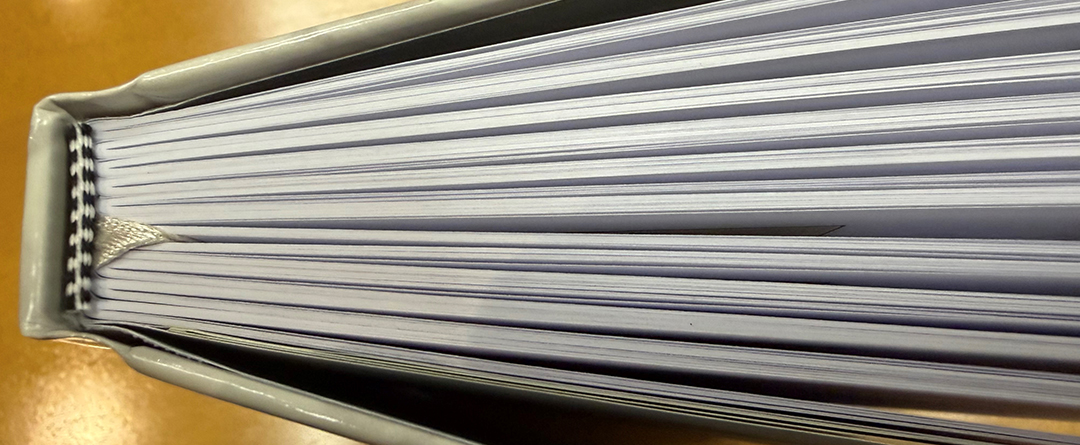
A book block refers to the inner pages of a book — the pages between the front and back covers. It is also known as the book core or book body.
The book block is produced before any final finishing is applied and forms the structural foundation of the book. Once complete, it is then bound using glue binding, thread sewing, or case binding, depending on the desired outcome.
In short: every book starts with a book block.
Common Types of Book Blocks in Printing
Book blocks are constructed differently depending on the binding method used. Below are the most common book block types used in commercial printing.
Spine Glue Binding (Perfect Binding and PUR Binding)
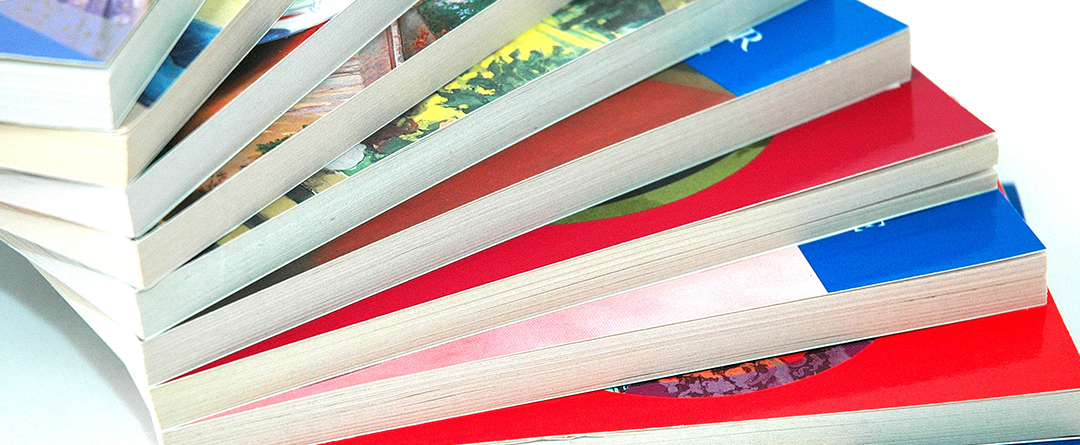
Spine glue binding is one of the most widely used bookbinding methods. The printed sheets are folded off the press, collated in correct page order, and then milled along the spine edge. Adhesive is applied to bind the pages together.
There are two main types of glue binding:
- Perfect Binding (EVA or Hotmelt) – commonly used for novels and paperback books
- PUR Binding (Polyurethane Reactive) – a stronger, more durable adhesive suitable for longer-lasting publications
Glue-bound book blocks are cost-effective, efficient to produce, and ideal for books with soft covers, such as
- novels
- fiction
- paperbacks
- educational
- business
Thread-Sewn and Case-Bound Book Blocks
Thread-sewn book blocks are created by folding printed sheets into sections (also called signatures) and sewing them together with thread. This method provides superior strength and flexibility.
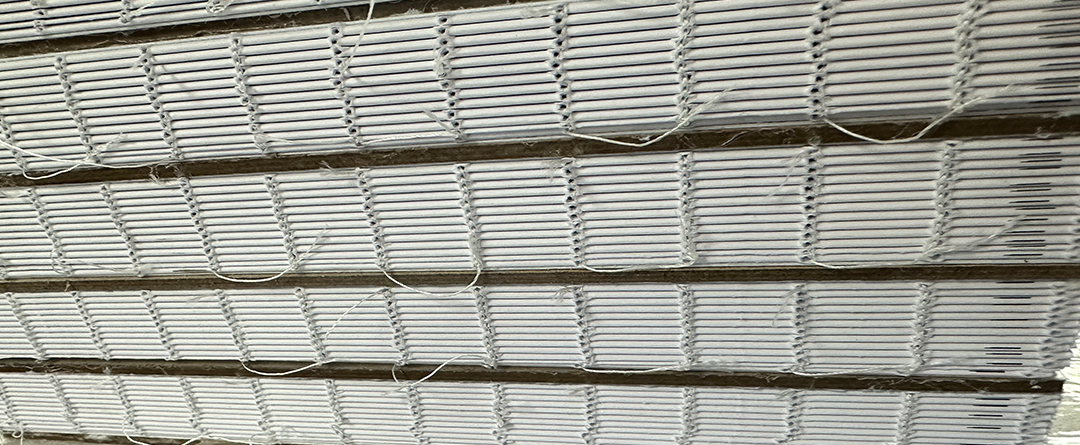
A cloth material called mull is applied to the spine to reinforce the sewn sections. The finished book block can then be:
- Perfect bound into a soft cover, or
- Case bound into a hard cover
Thread-sewn book blocks are commonly used for high-quality books such as:
- Coffee table books
- Photobooks
- Cookbooks
- Catalogues
- High-end publications
Why Is the Book Block So Important?
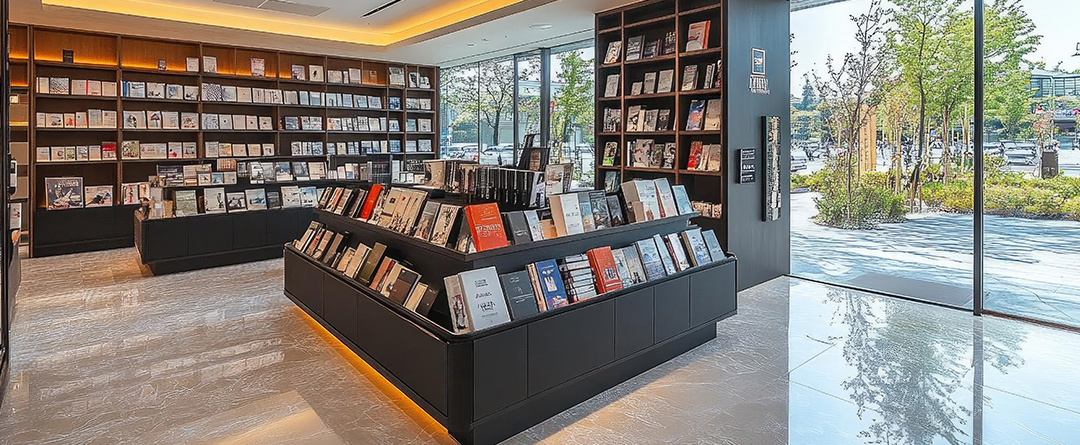
The way a book block is constructed directly affects:
- How the book opens and lies flat
- The durability and lifespan of the book
- The overall reading experience
- The perceived quality of the publication
Glue-bound book blocks are lighter, flexible, and economical, making them ideal for everyday reading. Thread-sewn book blocks, however, open flatter and are significantly more durable, making them better suited for books intended for long-term use.
Choosing the correct book block ensures the final book meets both functional and aesthetic expectations.
Choosing the Right Book Block for Your Project
Selecting the right book block depends on:
- The purpose of the book
- The number of pages
- The binding style
- Budget considerations
- How often the book will be handled
Your printer plays a key role in advising on the best book block construction for your specific project.
At Remata, we are proud to partner with a diverse range of Agencies, Brokers, and Leading Brands on Print and Packaging Projects. Trusted by organisations such as JOJO, University of the Witwatersrand, ABB, ATKV, Vodacom, Isuzu, Exclusive Books, Agrinet, Sun International and Ford, it’s clear why Remata is regarded as the commercial printer and packaging partner of choice—delivering reliability, quality, and scale across every print and packaging project.
Final Thoughts
Understanding book blocks is essential when planning any printed book. From novels and manuals to luxury photobooks, the book block determines how the final product looks, feels, and lasts.
If you’re unsure which book block is right for your next project, speak to your printer early in the process — it can save time, cost, and disappointment later.
If you’d like advice on book blocks, binding methods, or professional book printing, contact Remata Communications and Printers, [email protected] or call us on 011 848 0000