
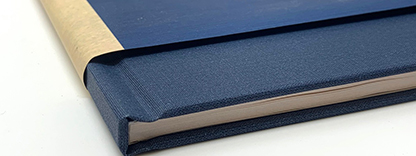
Dustcovers for Publications: The Benefits,the Whats and the Whys
Have you ever picked up a beautifully bound hardcover and marveled at the removable paper sleeve wrapping it? Originally invented in the 19th century as disposable wrappers to keep soot and dirt off cloth bindings, these sleeves have evolved into highly detailed canvases of art and marketing.
If you are an author, publisher, or designer looking for a comprehensive guide on dustcovers for printed publications: what they are, why they add value and protection, and how to specify dust jackets for the printer (sizes, materials, finishes, foils, spot UV), you have found your ultimate resource. Let’s dive into the fascinating world of book wraps and how to execute them flawlessly.
What Are Dustcovers and Why Do They Matter?
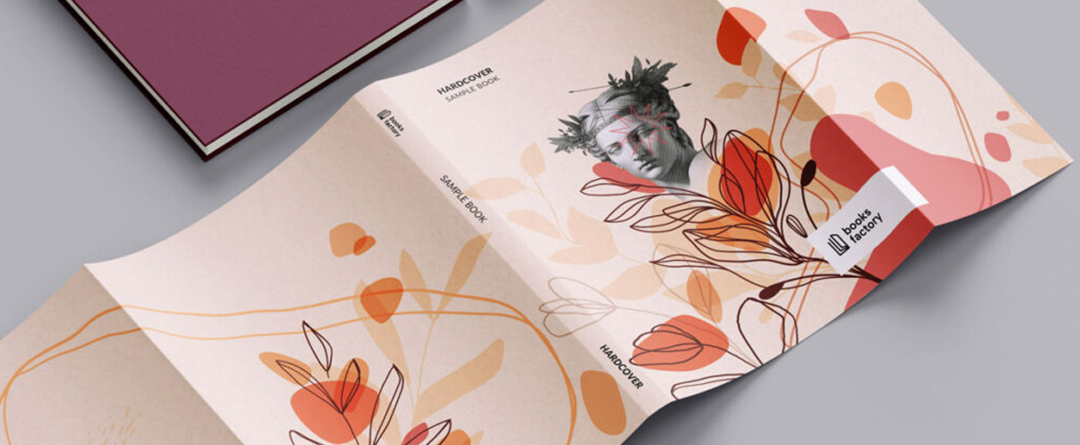
Before getting into technical specifications, it helps to understand the foundational anatomy of a book dust jacket. A standard jacket consists of five main panels: the front cover, the back cover, the spine, and two inner flaps that fold around the book’s hardcase.
You might wonder, what is the purpose of book jacket flaps? Practically, they anchor the paper sleeve securely to the hardcover board, preventing it from sliding off. Commercially, they provide prime real estate. The front flap typically holds the book’s synopsis and price, while the back flap is traditionally reserved for the author’s biography, photo, and early reviews.
For the traditional publishing industry, dustcovers for printed publications are an essential marketing tool. But they hold an entirely different appeal in the aftermarket. If you ever ask why are dust jackets important for book collectors, the answer boils down to origin and preservation. A rare book’s value can plummet by as much as 80% if it loses its original jacket. The sleeve preserves the binding underneath and represents the publisher’s original artistic vision for that specific edition.
The Core Benefits: Protection and Aesthetics
At their most fundamental level, these sleeves act as protective book covers. They bear the brunt of everyday wear, tear, and exposure. By taking on the damage from spilled coffee, greasy fingerprints, and UV sunlight, they keep the actual hardcover pristine.
When you add modern print technology into the mix, the protective benefits of book jacket lamination become even more apparent. Lamination forms a durable barrier that stops moisture and skin oils from seeping into the paper fibers.
Aesthetics play an equally massive role. When paired with high-quality dust jackets, books are instantly elevated from simple bound pages into premium merchandise that demands attention on a crowded retail shelf.
Designing for the Printer: Sizes, Spines, and Flaps
Knowing how to design a book jacket for professional printing means speaking your printer’s language. Providing accurate printing specifications for custom book jackets prevents costly production delays.
Sizing and Measurements
-
The Spine: Learning how to measure book spine for dust jacket accuracy is critical. You cannot guess this dimension. Spine width depends entirely on your book’s page count and the paper bulk. Remata, as your print partner, will provide a custom spine width template once your interior paper stock is finalised.
-
The Flaps: If you are unsure how to calculate dust jacket flap width, a standard rule of thumb is to make them roughly one-third to one-half the width of your front cover. Anything narrower risks the jacket constantly slipping off.
-
The Bleed: A jacket is printed as one long, continuous sheet of paper. Therefore, adhering to proper bleed requirements for wrap-around book covers is mandatory. You must extend your background colors and images at least 4 to 6 mm beyond the final trim edge on all sides. This ensures that when the printer trims the paper, there are no unsightly white borders left behind.
Selecting the Right Paper
Choosing the right substrate is vital. The standard paper weight for book jackets typically falls between 130gsm to 170gsm coated paper. If the paper is too thin, it will easily tear when readers handle it. If it is too thick (like cover cardstock), it will stubbornly resist folding and may crack along the spine hinges.
Alternatively, consider the incredible aesthetic value of textured paper for book wraps. Uncoated, linen, or felt-textured papers offer an artisanal, tactile experience. These work exceptionally well for h where a vintage or organic feel is desired.
If you are in any doubt make contact with Remata and, as your print provider, they will assist you in each aspect of book production ensuring you have the correct information needed to fulfill your vision.

Finishes, Foils, and Special Effects
The final step in specifying your dustcover is choosing how the ink is treated and embellished.
Gloss vs. Matt Finishes
Understanding the difference between gloss and matt book finishes helps set the tone of your publication. Gloss lamination creates a highly reflective surface that makes colours pop, making it ideal for thrillers, cookbooks, and children’s books. Matt lamination, conversely, absorbs light and offers a sophisticated, muted elegance.
However, matt covers are notoriously susceptible to showing fingerprints and scratches so its important to take this into account.
If you want to offer the ultimate tactile luxury, ask for soft touch lamination for premium book presentation. This specialized matt finish imparts a velvety, suede-like texture that readers literally cannot stop touching.
Embellishments: Spot UV and Foil
To make your title truly stand out, you can add post-print embellishments. When deciding between spot UV vs foil stamping on book covers, consider the visual impact you want to achieve:
-
Spot UV: This process applies a clear, raised, glossy coating to specific areas of the cover (like the title text or an intricate graphic). It works best when contrasted against a matte or soft-touch background, creating a subtle but striking catching of the light.
-
Foil Stamping: Using heat and pressure, metallic or pigmented foil is stamped directly into the paper. Gold, silver, and copper foils add an opulent, reflective brilliance that cannot be achieved with standard ink.
The Final Takeaway
Dustcovers are far more than just paper wrappers. They are protective shields, marketing billboards, and collectible art pieces all rolled into one. By mastering the exact measurements, choosing the optimal paper weights, and utilizing striking finishes and foils, you can ensure your publication doesn’t just sit on a shelf—it shines.
Remata is the perfect print partner for all your book projects, with years of print experience that clients can depend on!