

Affordable book printing in South Africa with Remata
Self-publishing a book is a monumental achievement, but navigating the final steps—specifically printing —can quickly become overwhelming. For many South African authors, the dream of holding a physical copy of their work is often overshadowed by the fear of massive upfront costs and spare rooms filled with unsold stock.
The secret to a successful self-publishing journey lies in finding affordable book printing while optimizing your supply chain. By partnering with an experienced, all-in-one print and finishing partner like Remata, you can seamlessly print anywhere from 10 to 1,000 copies. This highly efficient short-run strategy not only maximizes your profit margins but also keeps your inventory risk refreshingly low.
Whether you are launching a debut novel, a business guide, a colorful children’s book, or a coffee table high end publication, here is a comprehensive guide to maximizing your publishing profits while keeping your stock levels manageable.
The Financial Edge of Short-Run Book Printing
In the past, traditional printing required authors to order thousands of copies just to make the cost per unit viable. Today, modern printing technology has leveled the playing field. Ordering between 10 and 1,000 copies is now the sweet spot for self-publishers.
By keeping your print runs small and agile, you can test the market without tying up all your capital. This approach bridges the gap between massive traditional print runs and print on demand services for local authors, giving you the best of both worlds: professional quality stock on hand for book launches, without the burden of excessive inventory. Ultimately, finding cheap book printing isn’t about compromising on quality; it is about printing the exact volume you need, exactly when you need it.
Why Partner with Remata?
When authors ask where to find reliable independent book printers, the answer usually comes down to capabilities. Many agencies outsource their printing, which adds a middleman markup to your final invoice.
Remata operates as an in-house print and finishing partner. Because the printing, trimming, binding, and finishing all happen under one roof, quality control is rigorous, and turnaround times are rapid. This direct relationship allows Remata to offer cost-effective solutions tailored specifically to your project’s unique needs, ensuring you get premium results on a budget.
Demystifying Printing Costs and Formats
Understanding how your book is made will help you make decisions that protect your profit margins. Let’s break down the technical choices you’ll need to make.
Understanding Printing Technologies
When quoting your book, one of the biggest factors is the printing method. If you are comparing litho vs digital printing for small runs, digital printing is almost always the winner for runs under 500 to 800 copies.
- Digital Printing: Requires minimal setup, making it incredibly cost-effective for short runs. It allows for quick reprints if your book suddenly sells out.
- Litho (Offset) Printing: Involves creating custom metal plates for each page. While it becomes very cheap per unit at 1,000+ copies, the initial setup costs make it impractical for a 100-copy run.
Binding Options and Covers
Your book’s binding and cover type significantly influence the final retail price. When looking at hardcover versus softcover production costs, softcover (paperback) is vastly more affordable. Hardcovers require thicker boards, endpapers, and complex casing-in processes like thread sewing, which drive up manufacturing time and costs.
For most self-publishers, softcover is the way to go. Here are a few low cost book binding options to consider:
- PUR / Perfect Binding: The standard for paperbacks. Pages are glued into a wrap-around cover with a squared spine. It looks highly professional and is very affordable.
- Saddle Stitching: Ideal for budget-friendly children’s book printing or short poetry chapbooks (under 64 pages). The pages are folded and stapled along the spine, offering a durable and highly cost-effective solution.
- Wire-O Binding: Great for workbooks or cookbooks that need to lay flat.
- Hard cover, thread sewn: Perfect for coffee table publications and books needing longevity and a more layflat opening experience. This is a more luxury high end option, costing more but based on the type of publication may well be worth the cost.
Paper Selection and Pricing
The paper you choose impacts both the feel of your book and the price per page for paperback books.
If you need a quick paper quality and grammage guide, here is a standard breakdown:
- Standard Novels: 80gsm or 90gsm cream or bond paper. Cream paper is easier on the eyes for heavy reading but white is the most common option.
- Business Books/Non-Fiction: 90gsm to 100gsm white bond.
- Children’s Books/Photography/Coffee Table Books: 130gsm to 150gsm gloss or matt paper to make the colours pop.
Naturally, thicker paper will increase the price per page. Black and White for books and novels is standard while other publications like the childrens book and coffee table publications is normally full colour.
Printing 250 copies with Remata will yield a lower cost-per-unit than printing 50, allowing you to enjoy discount book printing rates while still avoiding overstock.
Preparing Your Masterpiece for the Press
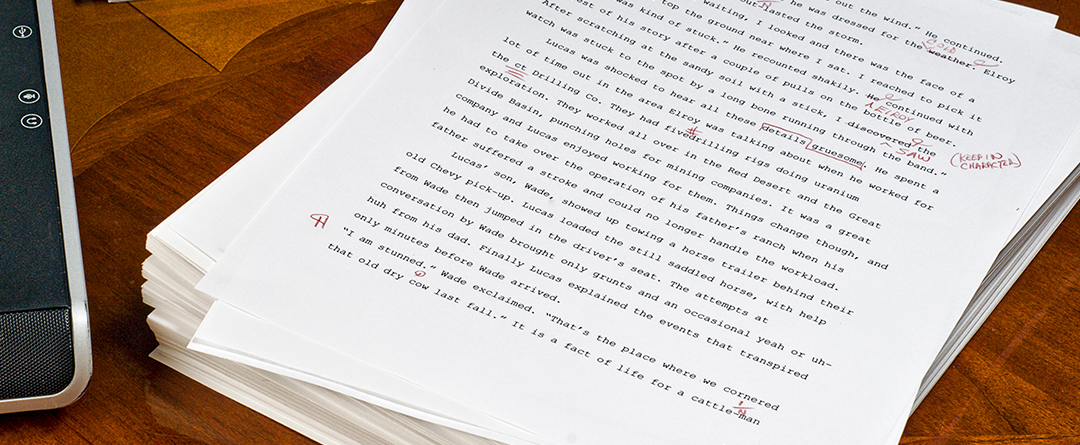
Before you send your files to Remata, they need to be perfectly prepped. A poorly formatted file can lead to printing delays or formatting errors that require costly reprints.
Formatting Your Manuscript
Learning how to format a manuscript for professional printing is a vital skill for any indie author. Keep these actionable tips in mind:
- Margins and Gutter: Ensure your inside margin (the gutter) is wide enough so that text isn’t lost in the binding.
- Bleed: If your book has images that go right to the edge of the page (common in children’s books), you must add a 3mm “bleed” to your file.
- Color Profile: Export your interior files and cover art in CMYK color mode, not RGB (which is for screens).
- Embedded Fonts: Always embed your fonts when exporting your final PDF to ensure they print exactly as they appear on your screen.
If the technical side of publishing feels too daunting, don’t risk a flawed print run. It is highly recommended to invest in custom book layout and design services to ensure your interior text is perfectly typeset and press-ready. Remata can assist with this function as well.
Getting Your ISBN
Before your book goes to print, you need a barcode and an ISBN (International Standard Book Number) if you plan to sell it in bookstores or online.
Fortunately, the steps to get an ISBN in South Africa are straightforward and free:
- Visit the National Library of South Africa (NLSA) website.
- Download and complete the ISBN application form.
- Email the completed form to the NLSA along with a copy of your ID.
- Wait 3 to 5 working days to receive your unique number.
- Use a free online barcode generator to turn your ISBN into a scannable barcode for your back cover.
Maximizing Profits Beyond the Print Run
Your book is printed, it looks beautiful, and it’s sitting in your living room. Now, how do you get it to your readers without eroding your profit margins?
Reducing distribution costs for local writers is just as important as saving money on printing. In South Africa, logistics can be expensive, but with a bit of planning, you can streamline the process.
Master Your Shipping Strategy
When you run marketing campaigns or presales, you will need to ship books nationwide. Understanding courier shipping rates for bulk book orders and single-copy orders is crucial.
-
Standardize Packaging: Design your book size (e.g., A5 or 6×9 inches) to fit easily into standard courier flyers (like those provided by Pudo, Aramex, or PostNet).
-
Weight Brackets: Couriers charge by volumetric weight. Ensure your packaging keeps the book under the 1kg or 2kg baseline brackets to avoid premium shipping fees.
-
Batch Shipping: Instead of driving to the courier drop-off point every time you sell one book, batch your orders. Send them out twice a week to save on your own transport costs and time.
By keeping your print runs between 10 and 1,000 copies, you also save on massive freight and storage costs. A run of 300 books can comfortably fit in a standard household closet, meaning you aren’t paying commercial storage fees or navigating heavy-duty pallet shipping logistics.
Conclusion
Self-publishing in South Africa has never been more accessible, but succeeding commercially requires strategic decision-making. Printing thousands of books upfront is a high-risk game that modern authors no longer need to play.
By choosing an in-house expert like Remata, you secure a partner capable of delivering flawless short runs from 10 to 1,000 copies. This empowers you to keep your inventory low, adapt quickly to reader demand, and take advantage of scalable printing costs.
From selecting the right paper grammage to understanding binding methods and formatting your manuscript correctly, every step you take to optimize production directly increases your final profit. Partner with a printer that understands the needs of local authors, and turn your self-publishing dream into a sustainable, profitable reality.