
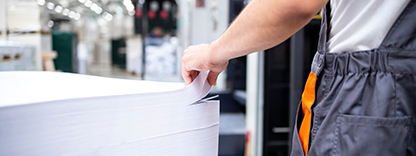
What is Paper Grain?
and why it matters in printing
Paper is manufactured from wood fibres and recycled paper that are turned into pulp. This pulp goes through various mechanical and chemical processes to break down the material, bleach it, form and press it, dry it, and then pass it through rollers (called calendering) to produce the finished product: paper, ready for printing.
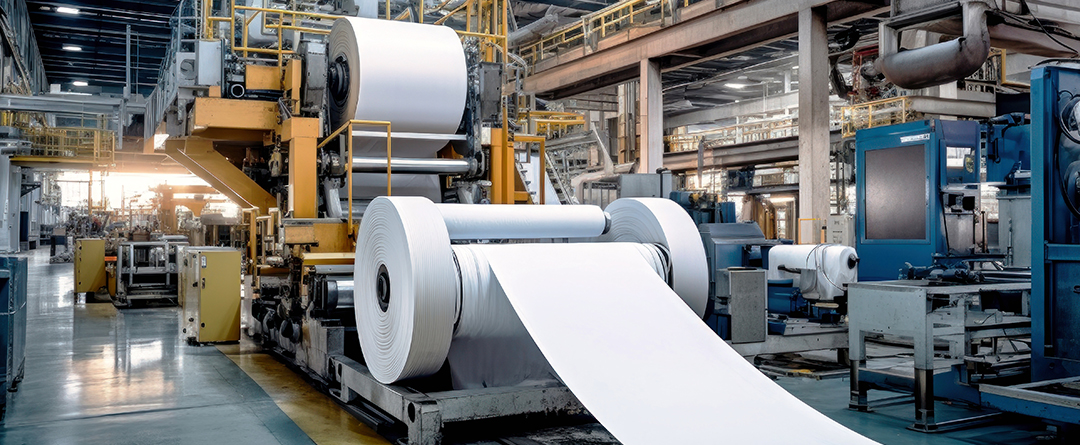
How Does Paper Get Its Grain Direction?
During the manufacturing process, the fibres naturally align as the pulp moves through the paper-making machinery. This alignment creates the grain direction. The grain runs parallel to the direction in which the pulp fibres are formed.
Grain direction is important because it affects the strength, flexibility, and behaviour of the paper during printing and finishing.
Paper is generally supplied in long grain or short grain formats.
- Long grain means the fibres run parallel to the longest side of the sheet.
- Short grain means the fibres run parallel to the shortest side of the sheet.
When printing a job, grain direction is a very important factor to consider.
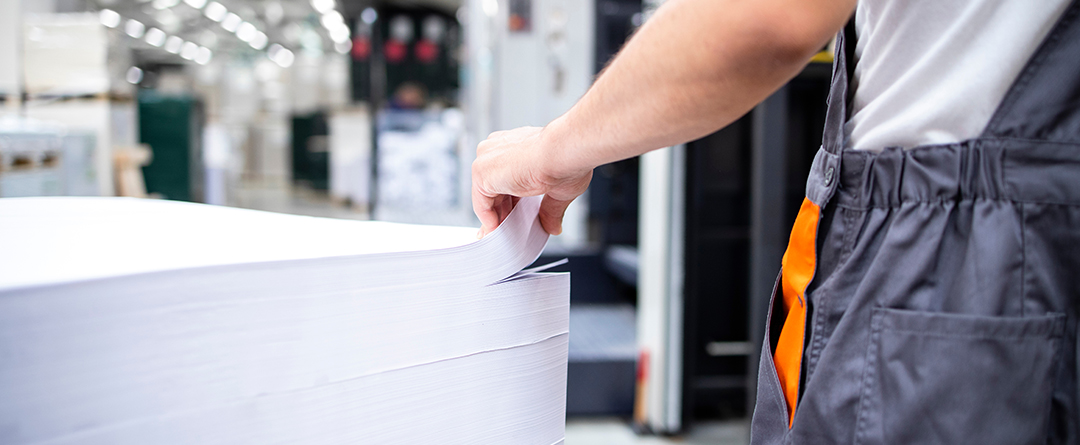
Where Does Paper Grain Come Into Play?
The direction of the paper fibres becomes especially important during finishing processes such as:
- Folding
- Scoring
- Binding
Folding or scoring with the grain allows the sheet to fold more easily and helps prevent curling or cracking.
Printers will always try to fold with the grain wherever possible. However, if a design requires folds in multiple directions, some folds may occur against the grain. In these cases, cracking can occur—especially on heavier paper stocks—and this is sometimes unavoidable. An example of this would be a printed folder with flaps and pockets. This requires scoring across both grain direction and therefore often lamination may be recommended to help minimize the cracking.
For books and booklets, the grain must run parallel to the spine. This allows the spine to fold correctly and helps the book lie as flat as possible when opened.
How Do You Test Grain Direction?
There are several simple ways to test grain direction.
- Folding Test
Fold the sheet of paper in both directions. The fold that is easier and neater usually indicates the direction with the grain. - Tear Test
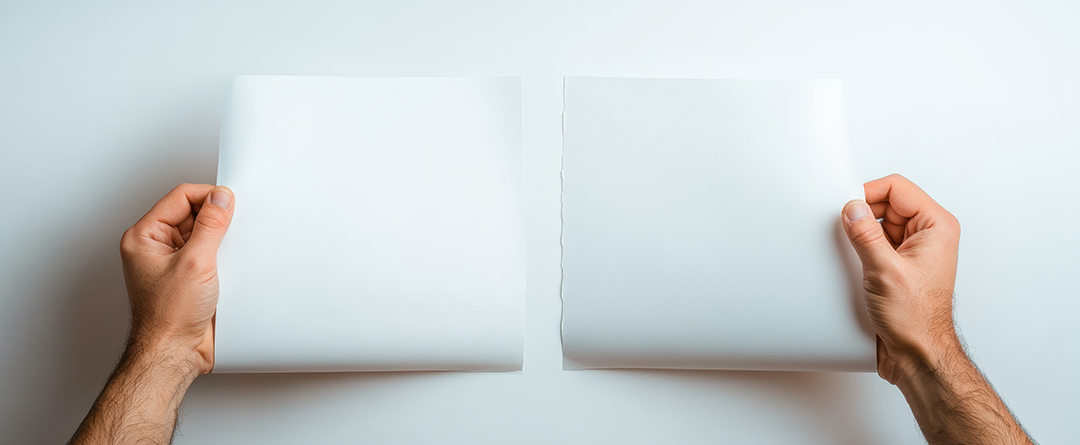
Tear the sheet of paper in both directions. Paper typically tears cleaner and straighter with the grain, while tearing against the grain produces a rougher edge.
Summary
Printing relies on paper, and paper is manufactured with a specific grain direction. This grain direction influences how printed material behaves during folding, scoring, and binding.
Printers assess the grain direction and position the job on the sheet to achieve the best possible result, helping to minimise cracking, curling, and other finishing issues.
Your Next Print Project
Remata Communications and Printers have years of experience producing high-quality print for the South African market and beyond. We partner with a wide range of advertising agencies, print brokers, and leading brands on both print and packaging projects.
You design it, we print it.
It is clear why Remata is regarded as a trusted commercial printing and packaging partner—delivering reliability, quality, and scale across every project.
Call: 011 848 0000
Email: [email protected]
Visit: www.remata.co.za
Our experienced and skilled team is ready to partner with you on your next print or packaging project.